
Content provided by Supporting Club member Cadson Demak
Thong Lor: A Type Timestamp for Thailand
Named after a bustling district in Bangkok where Cadson Demak’s headquarters were located at the time, Thong Lor was conceived as more than just a typeface. It was developed in response to a gap, a missing chapter in the evolution of Thai typography.
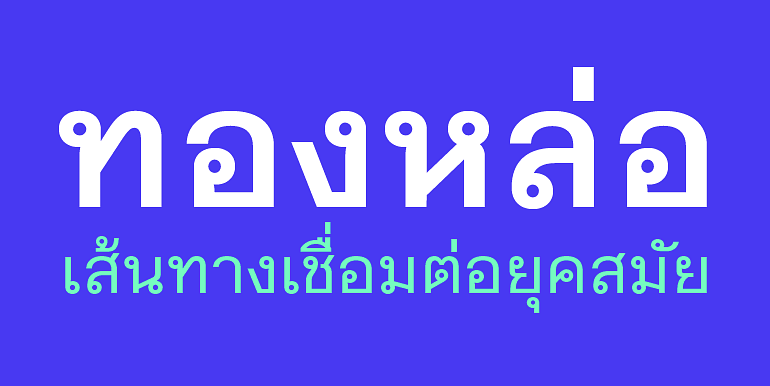
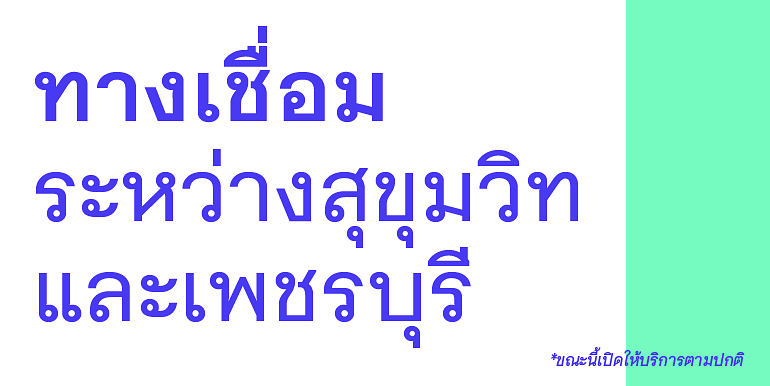
Thong Lor was first drafted for a client who sought a looped typeface that differed from what was available on the market. When the client changed direction, the project was put on hold. However, Anuthin Wongsunkakon and type designer Ekaluck Phianphanawate did not abandon the idea. They set it aside and returned to it years later with renewed focus.
The original Thong Lor was designed with a wider width than is typical for Thai text, which is unusual for the script. This wider spacing was purposefully chosen to encourage slower reading and reduce the chance of rereading, especially since Thai script does not have spaces between words.
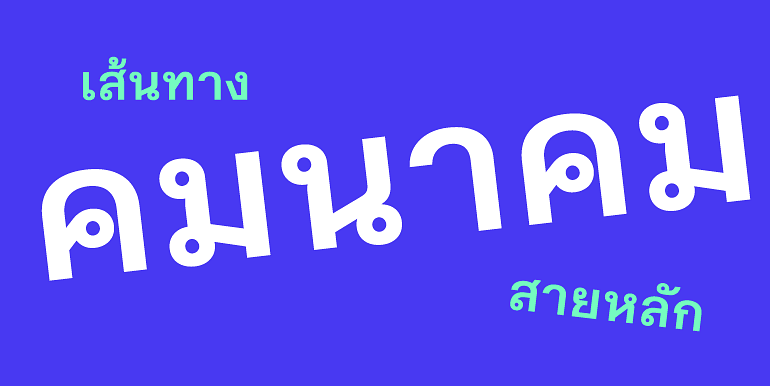
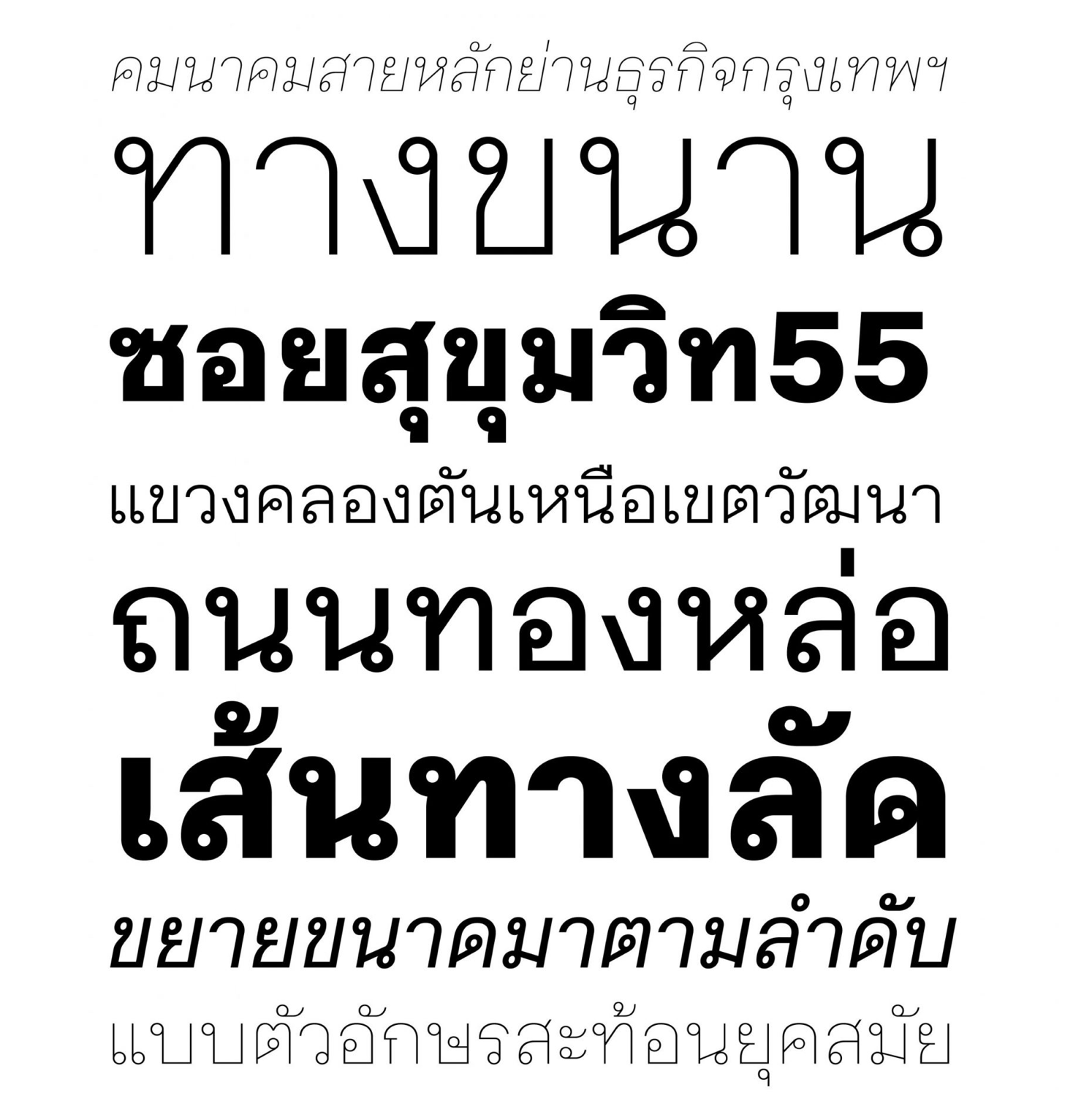
Thong Lor, the district that inspired the font’s name, is known for connecting various parts of the city and providing shortcut routes for drivers. This concept of connectivity influenced the typeface’s design. While modular forms are not new in Latin typography, their application represented uncharted territory and a significant challenge in Thai type design. Cho Rong Kim took the modular idea from Anuthin’s original sketch and pushed it to the extreme, developing a system that gave Thong Lor its distinctive structure and set it apart from other fonts in the market.
Smich Smanloh, Cadson Demak’s Type Director, further refined the design alongside Parin Rungpattarathakun. Together, they developed Thong Lor Soi 4 that was rescaled to be used in the same scale as Latin and Thong Lor Soi 4 Narrow, a narrower version of the typeface designed to align more closely with the traditional narrow characteristics of Thai text. This slightly narrower width made the design more accessible and familiar to Thai readers enhancing versatility while preserving the original intent.
Thong Lor addressed a two-decade gap in the development of looped Thai typefaces. In the past, very bold weights were rarely available in Thai script due to structural limitations. Thong Lor’s modular construction made it possible to achieve heavier weights, from Hairline to Heavy, while maintaining visual coherence and legibility. The typeface was not merely nostalgic; it was forward-thinking, functional, and grounded in thoughtful design principles.
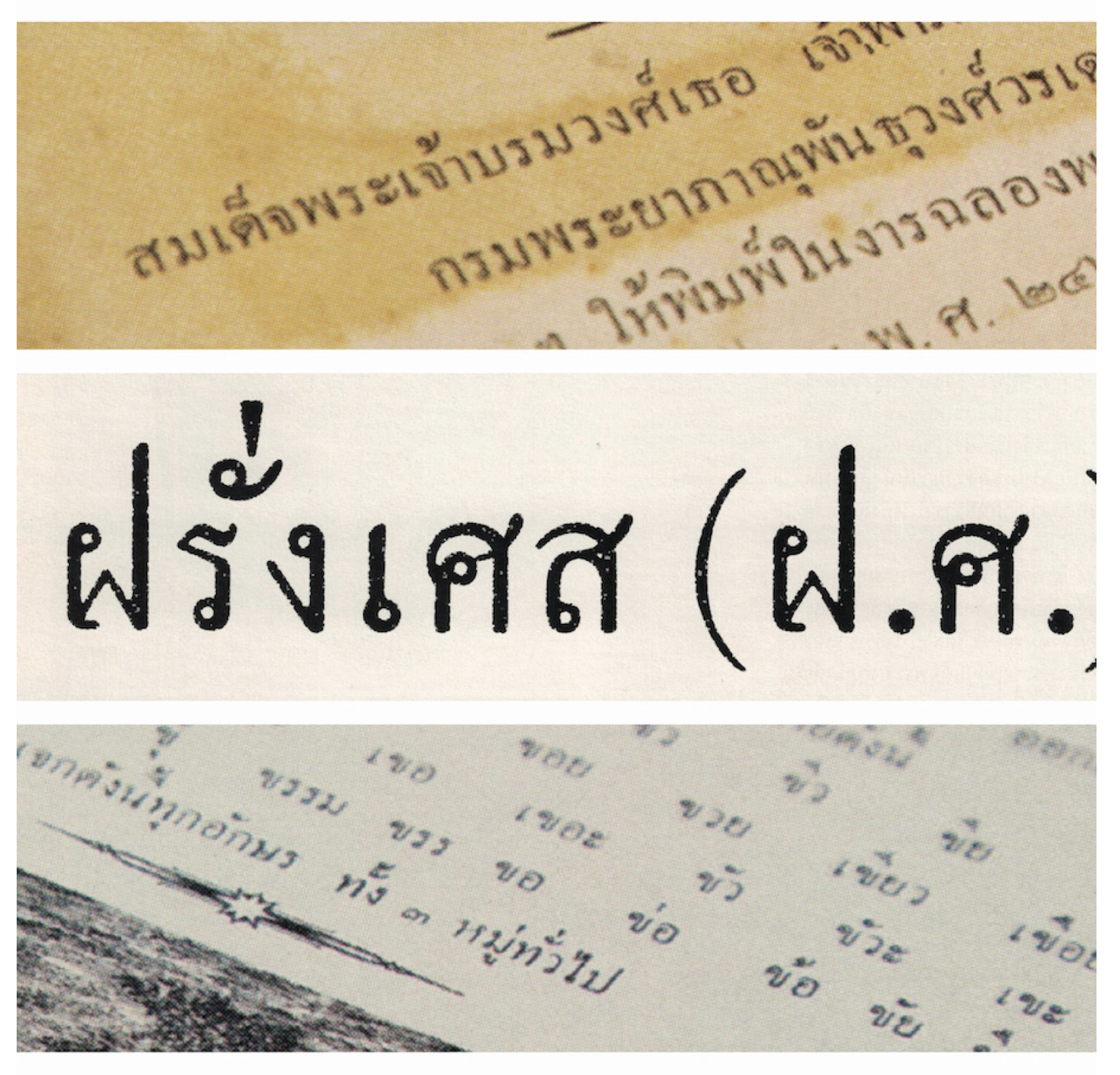
Fossils, Fashion, and Font Futures
Typography, like paleontology, is about timelines. But as Anuthin points out, Thai’s type history has missing fossils. There was Farang Ses in 1913, a typeface we know today as Angsana or Narai depending on the operating system. It was the first Thai typeface with contrast that was heavily influenced by Latin’s thick and thin stroke contrasts. The Assumption Press first used it in the journal “Assumption Ukosa Samai”. With its lasting presence, the shapes of Farang Ses became deeply ingrained in the minds of Thai readers, fostering familiarity with looped letterforms confined within narrow rectangles.
For global companies trying to "speak Thai," Cadson Demak offered the bridge: typefaces that localize voice without losing international polish.
But as more display fonts came into use, a new problem emerged: the lack of sophisticated body text fonts in Thai. “It’s like wearing a stunning hat with no pants,” Anuthin jokes. Without a typographic system - headline, subhead, body branding and editorial design risk becoming incoherent.
Explore More: https://www.cadsondemak.com/thought?page=3
References
Wongsunkakon, A. (2019, April 5). Thong Lor: The Way Back Into Loop (Part 1). http://anuthin.org/2019/04/05/thong-lor-the-way-back-into-loop-part-1
Cadson Demak Official Website: https://cadsondemak.com
Graphik Thai (2020). Commercial Type x Cadson Demak
BITS Bangkok (Bangkok International Typographic Symposium). https://bits.cadsondemak.com
The content of this article is provided by the Supporting Foundry Club member Cadson Demak. GRANSHAN is not responsible for its accuracy or for any opinions expressed.