
Content provided by Supporting Club member TypeType
In TypeType’s professional experience the popularity of a typeface is linked to the fact that, it will be more likely used without an appropriate license—despite the fact that developing a single family can take years of meticulous work.
TypeType’s license control department rectifies this situation—and not only do they do this for their own company, but they also offer this service to other font foundries. This collaboration requires no upfront investment and carries no financial risk, yet it can generate income for the partner foundry within the first few days.
How does it work?
First, the TypeType technical team uses its software to build a database, compiling datesets of the partner foundry’s fonts being used on websites, in applications, and in other sources.
TypeType has extensive experience with mobile applications—the team analyzes a large number of them meticulously. These cases have the highest potential, and the studio began working with some of its long-term partners by focusing on this area.
However, the results for websites are also very high—because TypeType works not only with large, high-traffic sites but also with less visible cases. It’s often the case that a site has low viewership, but the company actively uses the font on other media. Thanks to the work of the license control manager, it’s possible to legitimize the font’s use across multiple license types. When working with websites, the team assesses not only traffic but also how active the site is, how many weights are used, the cost of the font itself, and other indicators that reveal potential.
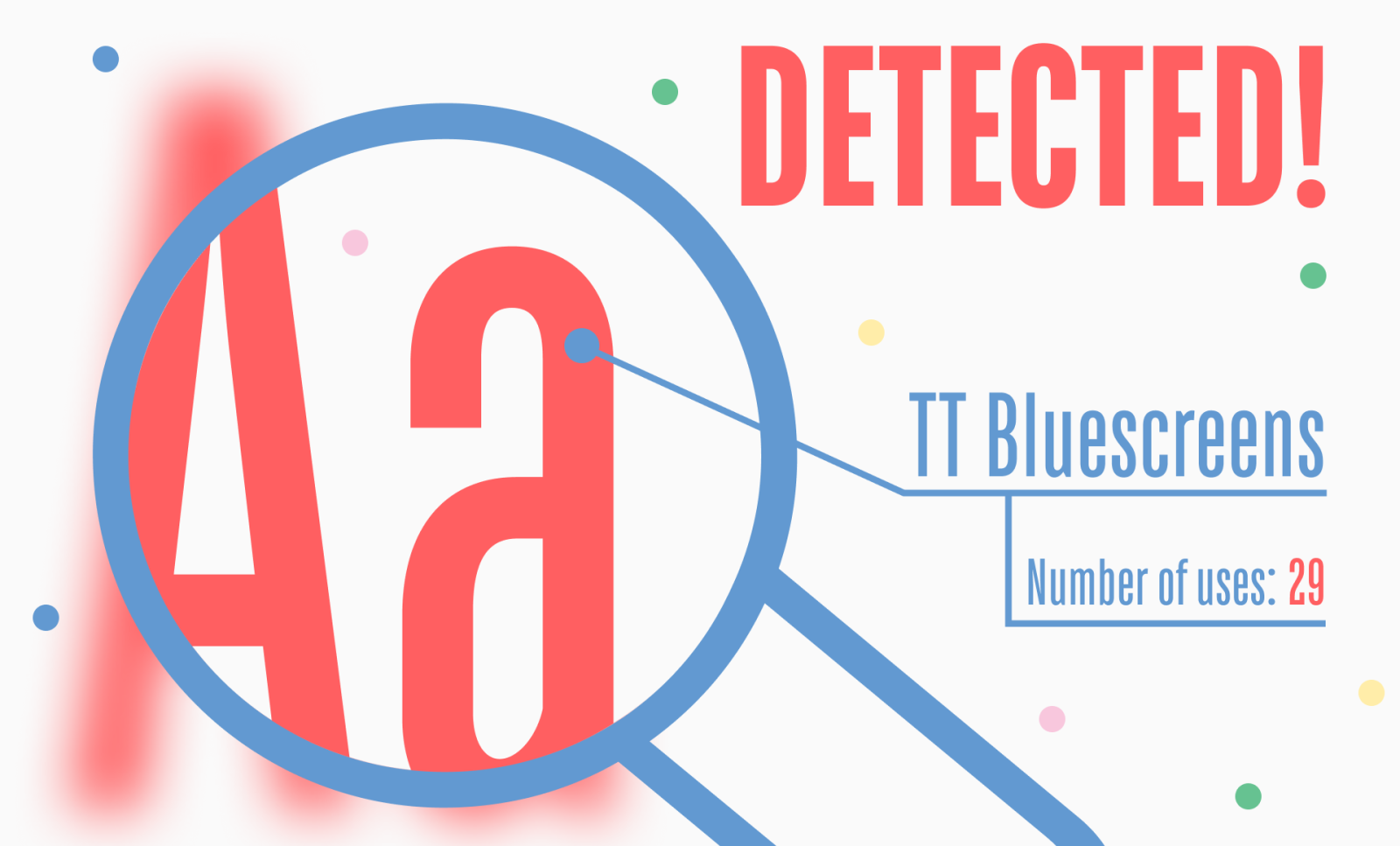
The search is guided by the fonts' metadata. If desired, the partner foundry can receive this data as an Excel spreadsheet and work with it independently. This option is for those prepared to take on all the risks and subsequent client communication themselves.
The other, far more effective option is outsourcing, which takes the burden off the partner. In this case, TypeType handles all the work—from data processing to securing agreements—while ensuring all client communication aligns perfectly with the principles and brand voice promoted by the partner foundry.
When we first had the idea to develop this area, we never imagined we would encounter so many people using our fonts without a license. The vast majority do so without any malicious intent, simply out of ignorance, and are eager to fix the situation as quickly as possible. These loyal users generate the main share of the revenue.
Only Profit and No Expenses
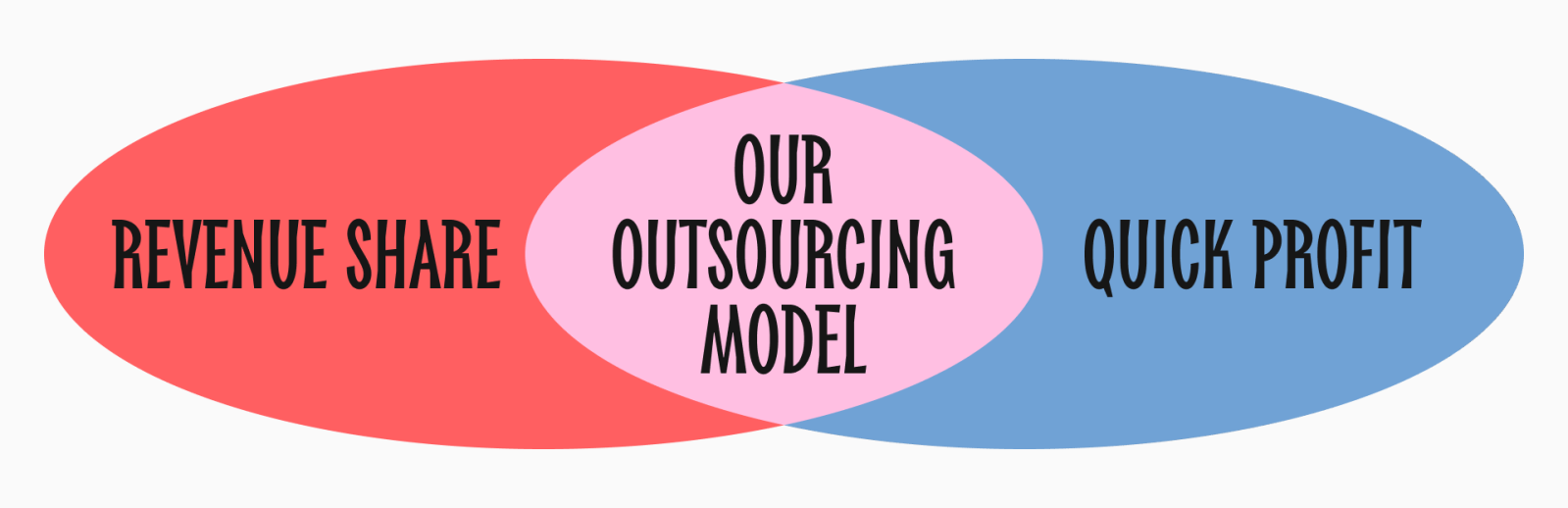
The outsourcing model has two main advantages.
The first is a risk-free revenue share model. Launching the collaboration is completely free for the partner. TypeType does not take prepayments and instead works on a Revenue Share model. This means the partner foundry pays a commission only after a user buys a license.
The second is quick profit. The client interaction process is designed to minimize the time from first contact to securing a valid license. Some users, upon receiving the very first email, realize their mistake and purchase a license immediately. Therefore, a partner can receive their first payments within just a couple of weeks of signing an agreement with TypeType.
Crucially, clients make all purchases directly on the partner foundry’s website. The money is deposited instantly into their account. TypeType is not a payment intermediary, which ensures complete transparency. At the end of the agreed reporting period, the partners compare records and settle the agreed-upon commission.
A Customized Approach
As font creators, we understand their value very well and know how to present that value to a client. At the same time, as a major font foundry, we understand the value of intellectual property and how important it is to protect it.
Worth noting, TypeType develops a customized approach for communicating with each studio and adapts to the partner’s tone of voice.
All databases are also cleared with our partners to exclude organizations that a specific studio does not want to interact with for one reason or another. For example, some partners, for ethical reasons, do not want non-profit organizations to be on this list. In such cases, we do not contact them, even if those organizations are using a font without a license. This flexible approach allows us to protect the partner’s business reputation and turn an infringer into a loyal client.
Georgii Koloskov, Partnership Manager TypeType
As a result, many infringers who used a font without a license unintentionally have become loyal clients of TypeType and its partners, continuing to work with them on a commercial basis.
Fonts Are Important
For TypeType, the start of the license compliance project was a very interesting technical challenge that allowed the company to develop its expertise in related fields. In the technical sphere, the company continues to constantly improve its tools for case discovery—both on the web and in mobile apps, as well as on other media.
In the legal sphere, the issue of protecting intellectual property in different countries and jurisdictions proved to be very interesting. This is an area TypeType is now actively developing to protect itself and its partners with maximum competence.
Thanks to this project, we were able to study our clients more deeply, as we obtained data on large companies using our fonts. Some of them had purchased licenses indirectly, through our partners, so some of these cases remained unknown to us. And for font designers, it’s very important to see their fonts being used in major projects—it provides a lot of inspiration not only for the designers but for the whole company, and it confirms that the fonts we create are solving the challenges of major global businesses.
We see that user awareness about the importance of buying a license and the value of fonts is growing—thanks in part to our activities. And this means that font companies will be able to release more and more beautiful, high-quality fonts, all while generating additional revenue from compliance efforts.
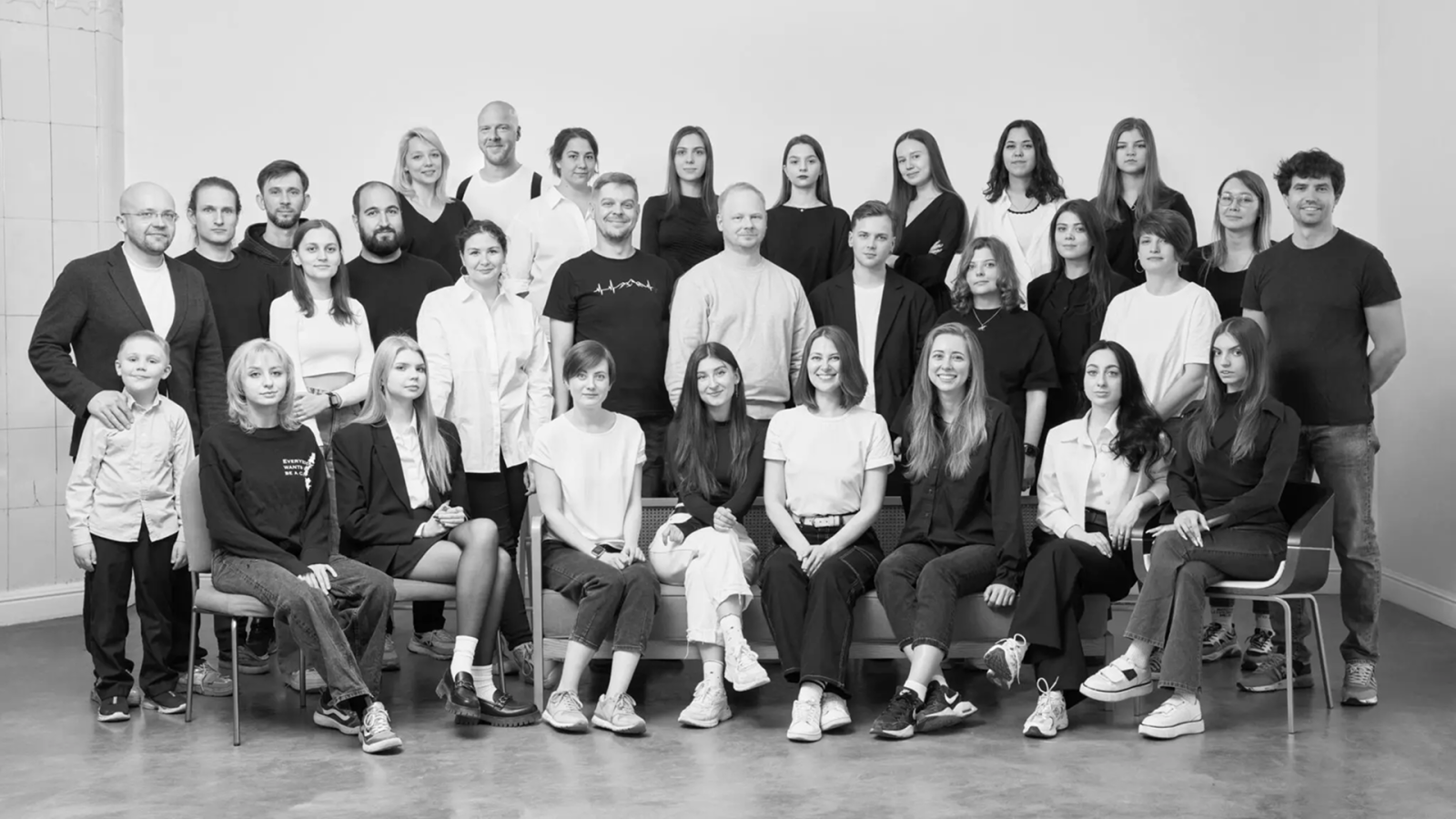
The TypeType Team
Explore more: https://typetype.org
The content of this article is provided by the Supporting Foundry Club member TypeType. GRANSHAN is not responsible for its accuracy or for any opinions expressed.