
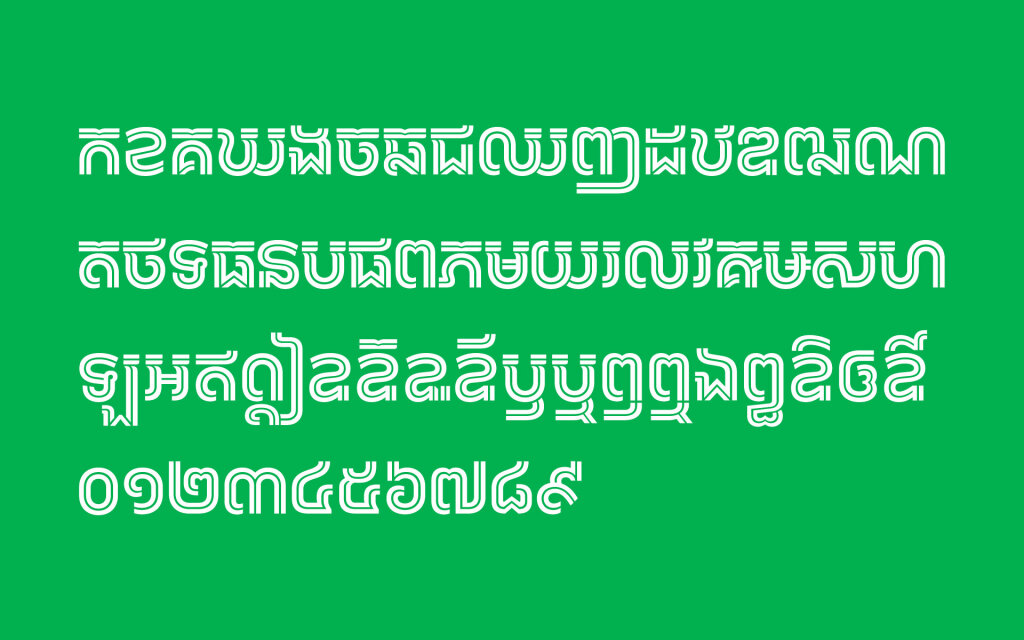
As part of GRANSHAN’s mission to celebrate global typographic diversity, we continue our interview series Talking with GRANSHAN Script Experts.
In each edition, we speak with the people shaping the future of the world’s writing systems, exploring their stories, challenges, and visions for type design across cultures.
Our fifth interview features - Sovichet Tep, who lives in Cambodia's capital Phnom Penh. With his studio Anagata, he specializes in typeface design and brand identity. A third pillar of his work is now font engineering, assisting foundries in building fonts efficiently. For GRANSHAN he serves as a Southeast Asian Scripts Specialist, specifically representing the Khmer script.
You once jokingly referred to yourself as a hairdresser for Khmer. Why?
In Khmer script anatomy, we look at base letters in two main parts: the body and the hair (the top part). I always joke that when you design Khmer, you’re basically becoming a hairdresser for the script!
The shapes of the hair and how they attach to the body (for some letters) have a greater impact on the typeface’s overall look and feel. There are many »hairstyles« to choose from, but as designers, we also get to have fun and invent new ones. This is easily one of the most creative and distinctive aspects of working with our script.
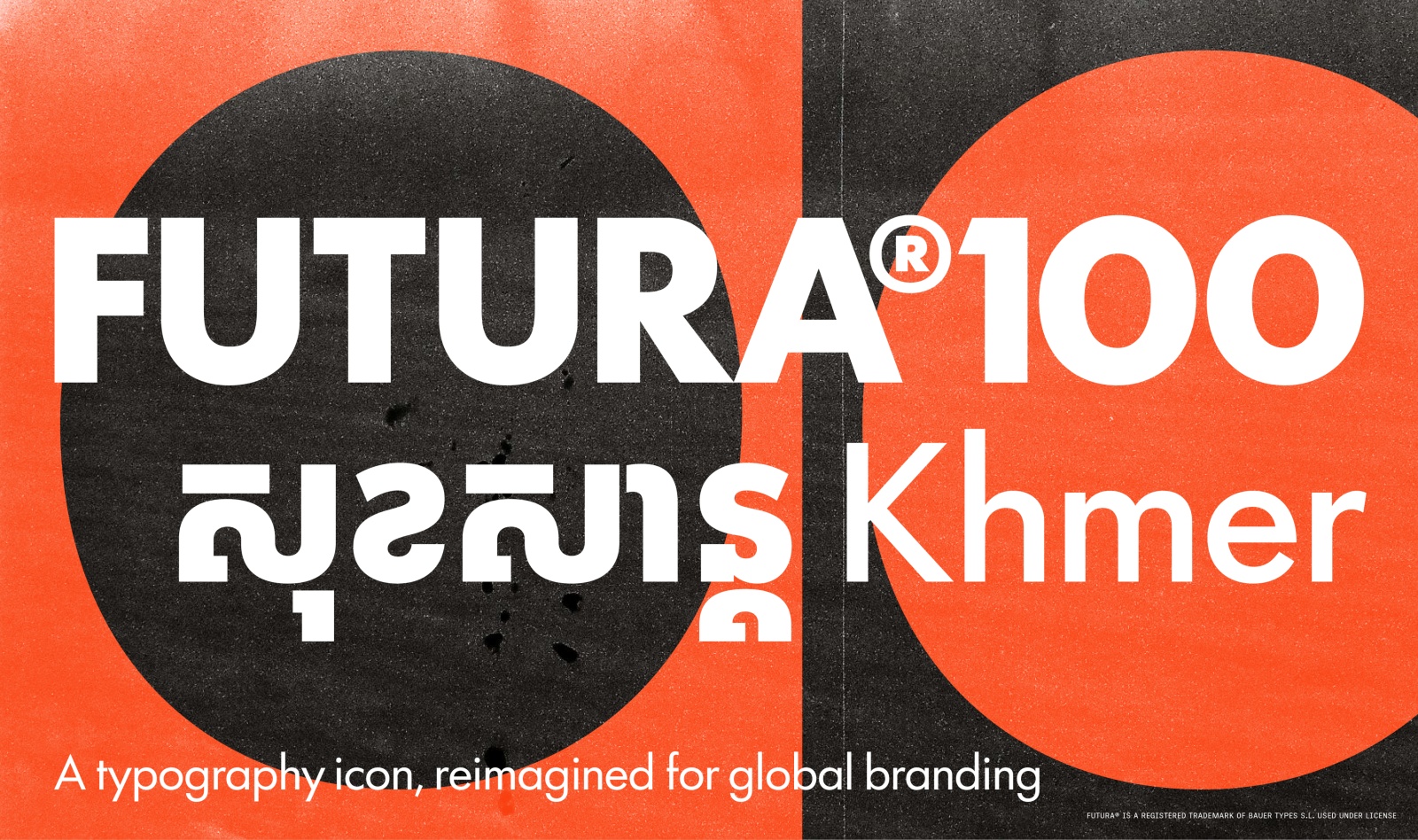
The Khmer script has a long history, how old is it?
The Khmer script is the formal script for writing Khmer language which is spoken by more than 18 million people. The script has a rich history dating back to the seventh century, with the earliest known inscription recorded in 611 CE. Derived from the Pallava script of southern India, it was officially recognized as »Kāmvujākṣara« (កម្វុជាក្ឞរ) during the late ninth-century reign of King Yasovarman I of the Khmer Empire.
The Khmer script is also used for indigenous languages in Cambodia such as Bunong, Jarai, Krung, Kuay, Tampuan, and Brao.
Has it changed over the centuries?
While the script has undergone significant aesthetic changes over the centuries, its fundamental orthographic system—consisting of base consonants, subscripts, and specific vowel placements—has remained almost the same. These historical shifts and various cultural eras have resulted in four different styles of the scipt:
Chhor (Upright): Used for standard text and formal settings.
Chrieng (Slanted): A cursive, smooth style. The style feels a bit classic and may be preferred as a reading text in books.
Moul (Round): A heavy, high-contrast bold style used for titles, headings, and religious contexts.
Moul Pali: A variation of the Moul form with thinner strokes and less rounding, traditionally used in sacred manuscripts.
Today, these four styles serve as the foundation for modern type designers, who continue to evolve these forms through contemporary creative expression.
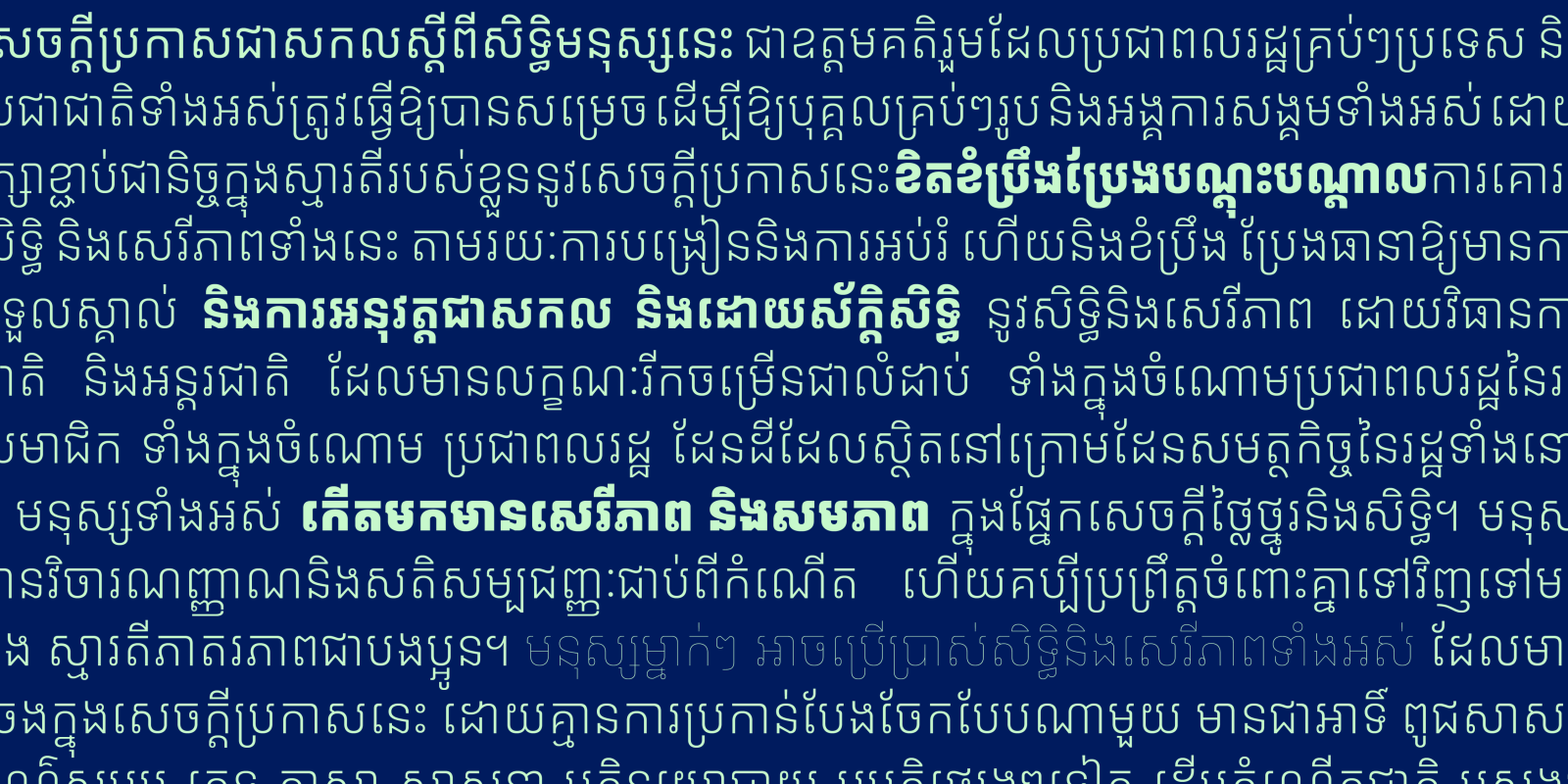
How many letters does Khmer have, and would you describe it as a complex script?
Khmer is definitely one of the complex scripts. The Khmer script has:
Base Consonants: 33
Independent vowels: 13
Dependent vowels: 24
Diacritics: 9
Punctuation, symbols, numerals: 17
This doesn’t include some obsolete letters and the subconsonant forms. In the type design practice, the character set could grow up to about 400 for a fully functional font.
Due to its complexity in shaping rules and input sequences, Khmer has its own dedicate docs as defined by OpenType. https://learn.microsoft.com/en-us/typography/script-development/khmer
A multitude of letters, hair and body shapes: What are the major technical challenges in working with this script?
Even today, the Khmer script faces significant technical hurdles. One of the main challenges is the lack of rendering support in modern creative applications, such as certain photo and video editing software. When the software can’t handle the script properly, it prevents our language from displaying correctly in digital spaces and stops Khmer users from enjoying new technology to its fullest.
In the past, we actually had to »hack« our fonts to mimic OpenType features – like reordering characters manually by precomposing every possible combination. It was a headache because as soon as an application updated its text engine, the font would break!
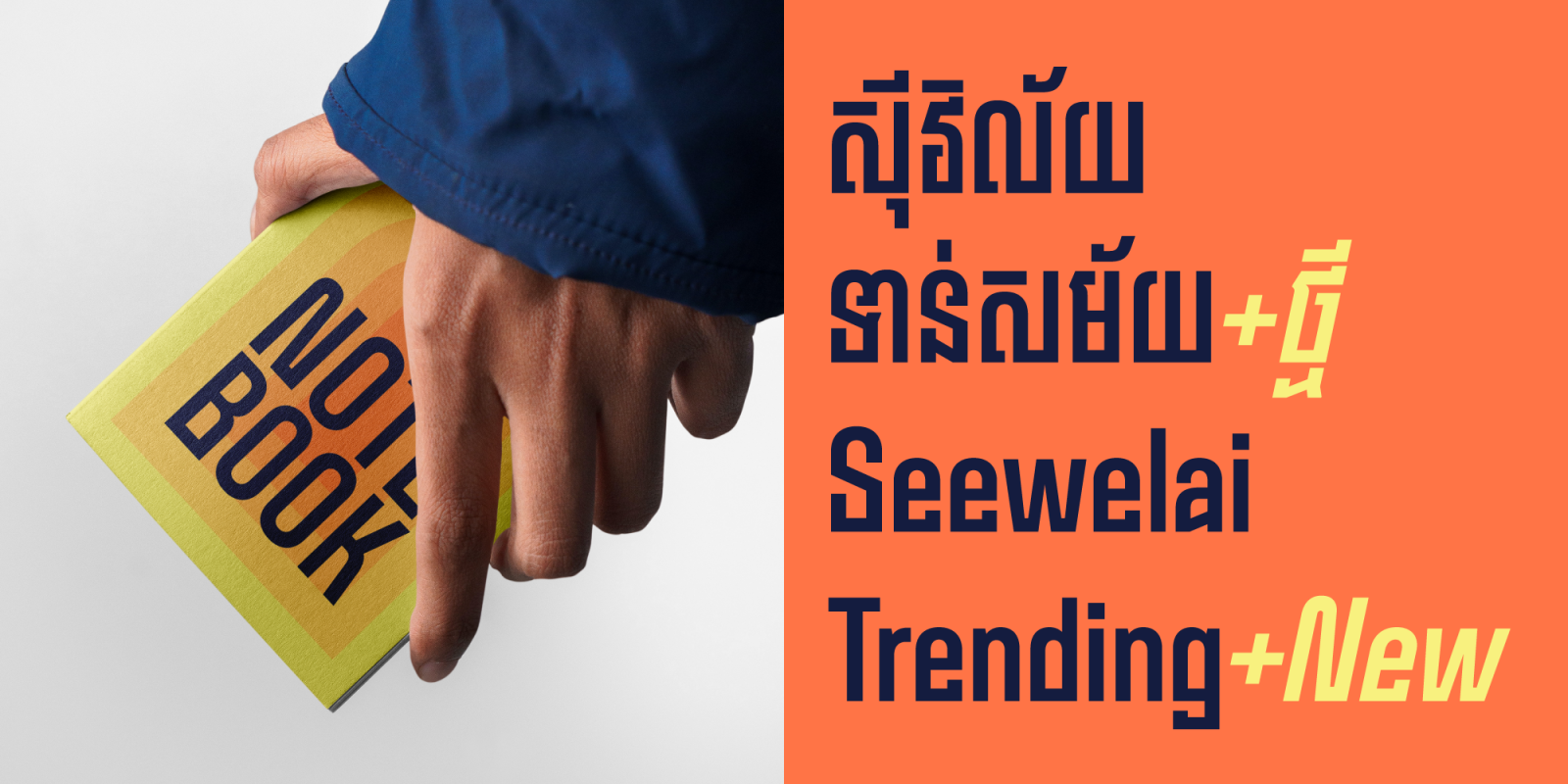
Have there been any improvements since then?
Yes! The good news is that the landscape is changing quickly. Major companies like Microsoft, Google, Apple, and Adobe have now implemented modern shaping engines such as »HarfBuzz«. This has been a total game-changer for Khmer typography. However, many other apps still need to catch up. I hope they start supporting complex scripts soon so everyone can have a better digital experience.
Perhaps the GRANSHAN community can help raise awareness of the requirements that Khmer places on type design software. How did you first become involved with GRANSHAN and this script community?
I have followed GRANSHAN for many years, drawn to its unique mission of spotlighting non-Latin scripts through its prestigious competitions. I became directly involved when GRANSHAN expanded its focus on Southeast Asian typography. Anuthin Wongsunkakon, Thai type designer and founding partner of the foundry Cadson Demak, reached out and invited me to join the newly formed script group.This allowed me to contribute my expertise to this growing community.
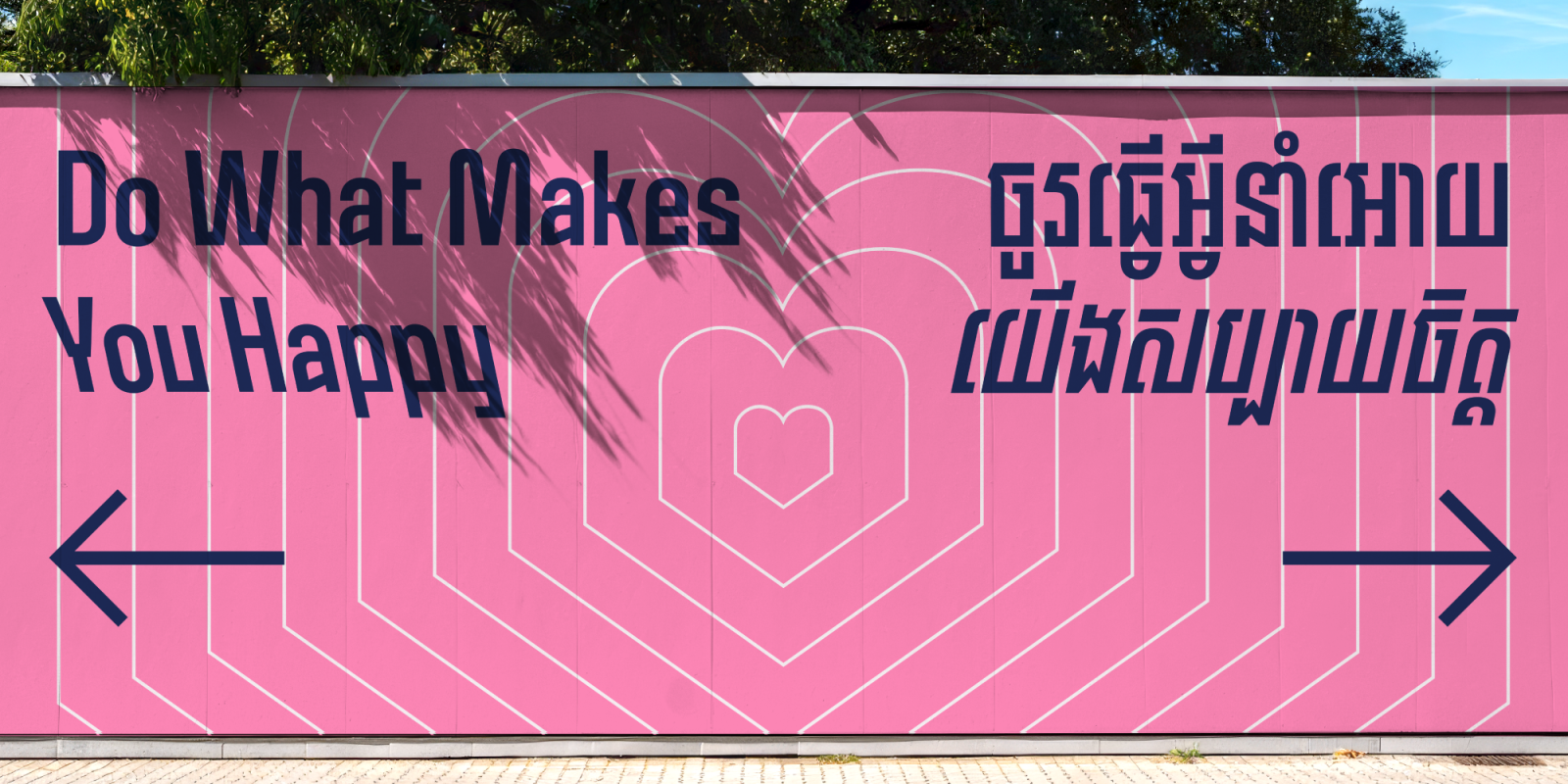
At your studio, Anagata, you not only design fonts, but also develop branding. How aware are your customers of the importance of fonts?
There is still room for improvement. 2025 was a busy year for our studio as we worked to establish a stronger understanding of typeface and brand identity design among local clients and audiences. In 2026, we plan to increase the activity of »Bondom« – a creative community that we co-established with other designers. We'll achieve this through increased blog writing, talks, and gatherings focused on creative design. We hope this group will make the Cambodian design landscape and design education more lively and diverse. We also want to bring the »45 Days of Khmer Script« campaign back in a new format!
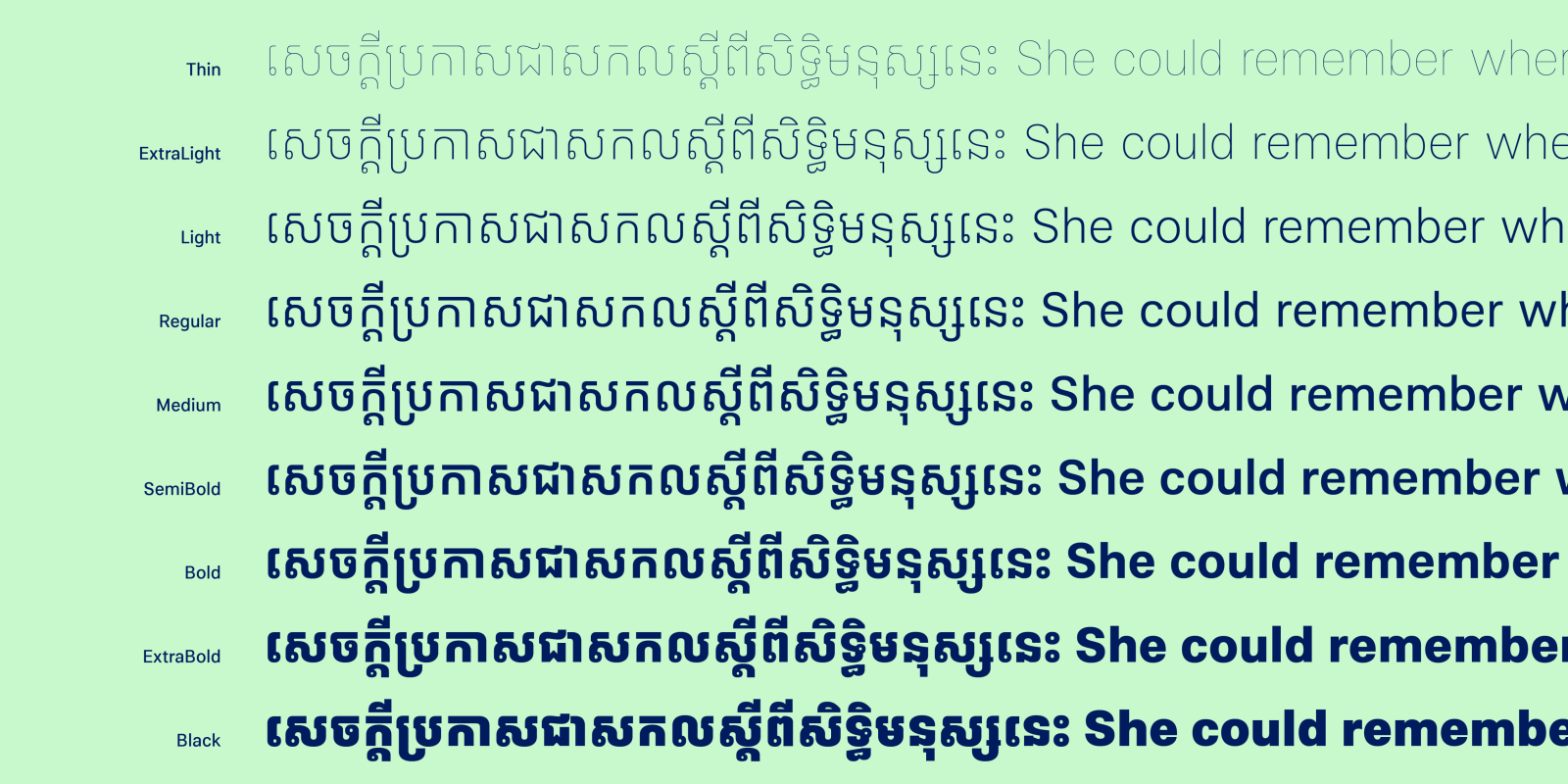
What would you say are the most important needs or opportunities for your script group in the next few years?
There are three main things.
Growing the talent pool: We need more designers who are deeply interested in type design and start implementing better typography in their everyday work. It’s about moving from just »using fonts« to »understanding« them.
Showcasing Local Creativity: We have great opportunities to highlight Khmer work through initiatives like »45 Days of Khmer Type« and the GRANSHAN Awards. These platforms give local designers the global stage they deserve.
Breaking the Language Barrier: One of the biggest opportunities is making these international resources and competitions accessible to our designers in their native language. For many in developing countries, English can be a significant barrier to entry, so providing support in Khmer is essential for a more inclusive community.
Interview by Antje Dohmann